Fix & Flip Deals for Sale
These are off-market flip candidates from wholesalers across the country: distressed and outdated houses under contract at prices meant to survive a flipper's math. Browsing the marketplace is free forever, and you can make an offer on any listing without paying anything — no subscription, no per-offer fee.
Every listing tagged Fix & Flip below is live inventory, not a teaser list. The deal type means what it says: the seller expects a buyer who will renovate and resell, and the asking price is set with that buyer's rehab budget and margin in mind.
What a Fix & Flip Deal Actually Is
Fix and flip is the simplest strategy in real estate to describe and one of the easiest to lose money on: buy a distressed property at a discount, renovate it, and resell it — usually to a retail homebuyer paying market price. The profit is whatever survives after the purchase price, the rehab, the holding costs (loan interest, taxes, insurance, utilities), and the selling costs (commissions, closing costs) all come out of the resale price.
On a wholesale marketplace, the flip deal arrives one step earlier in that chain. A wholesaler has contracted the house directly with the owner — it's off-market, no MLS listing — and is assigning that contract to an end buyer for a fee. You're not buying a renovated product; you're buying the raw material at a price that's supposed to leave the whole renovation-and-resale margin on the table for you.
That "supposed to" is the entire game, which is why flip buyers underwrite backward from the exit instead of forward from the asking price.
How the Math Works
Three numbers decide whether a flip deal is a deal:
- ARV — after repair value. What the house should sell for once it's fully renovated, estimated from recently closed sales of comparable renovated homes nearby. Wholesalers advertise an ARV on their listings; serious buyers run their own comps and trust their number over the printed one.
- Rehab cost. The full budget to get from current condition to that ARV — materials, labor, permits, dumpsters, and a contingency for what the walls are hiding. Scoped from a walkthrough or detailed photos, never guessed from the listing.
- Your maximum offer. The classic screen is the 70% rule: pay no more than 70% of ARV minus rehab. A $200,000-ARV house needing $30,000 of work maxes out at $110,000. The 30% that comes off the top isn't all profit — it has to cover holding costs, closing costs, selling costs, and your margin.
The wholesaler's assignment fee lives inside that spread: they contract below your maximum and the difference is their fee. A well-priced flip listing already accounts for this — the ask fits under the 70%-rule number, fee included. When it doesn't, that's your answer, and it's why the same house can be a dead flip and a live rental: buy-and-hold and Section 8 buyers price off rent and gross yield instead of ARV, so a deal that fails flip math isn't necessarily a bad deal — it's a bad flip.
Live Fix & Flip deals right now
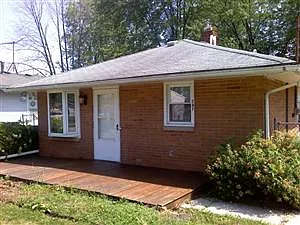
Fix & Flip SFH in Elyria, OH
$97,000 · 3 bed · 1 bath
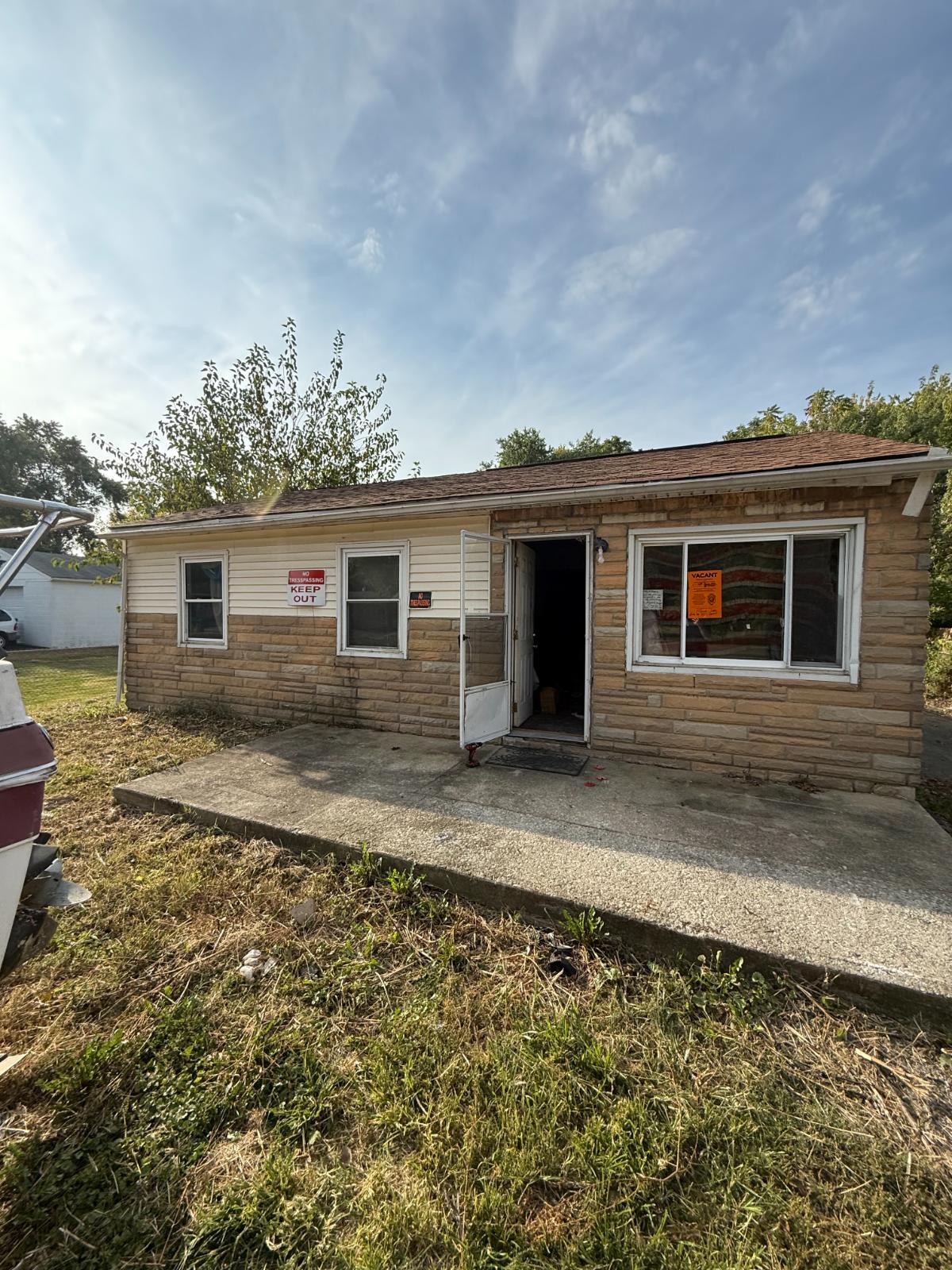
Fix & Flip SFH in Columbus, OH
$118,000 · 3 bed · 1 bath

Fix & Flip SFH in Columbus, OH
$106,000 · 3 bed · 1 bath
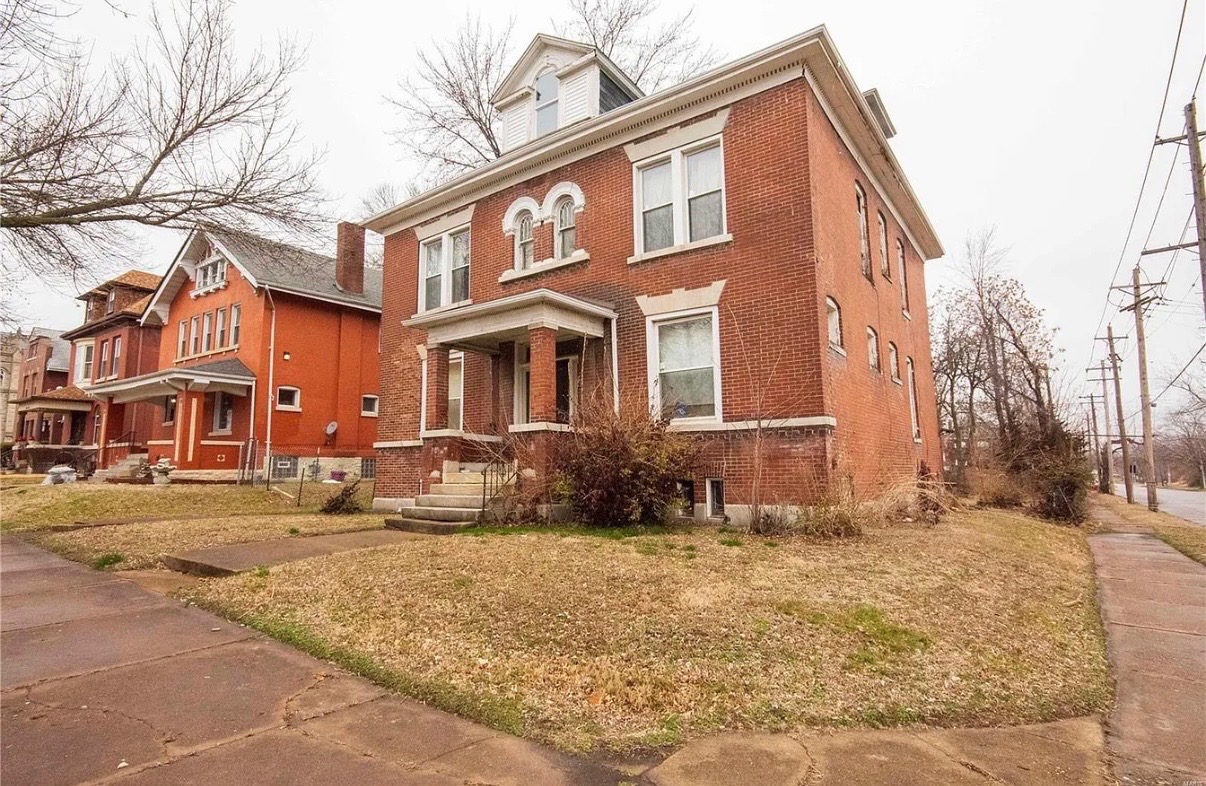
Fix & Flip Multi-Family in saint louis, MO
$40,000 · 6 bed · 2 bath
Fix & Flip SFH in Enid, OK
$42,000 · 6 bed · 3 bath
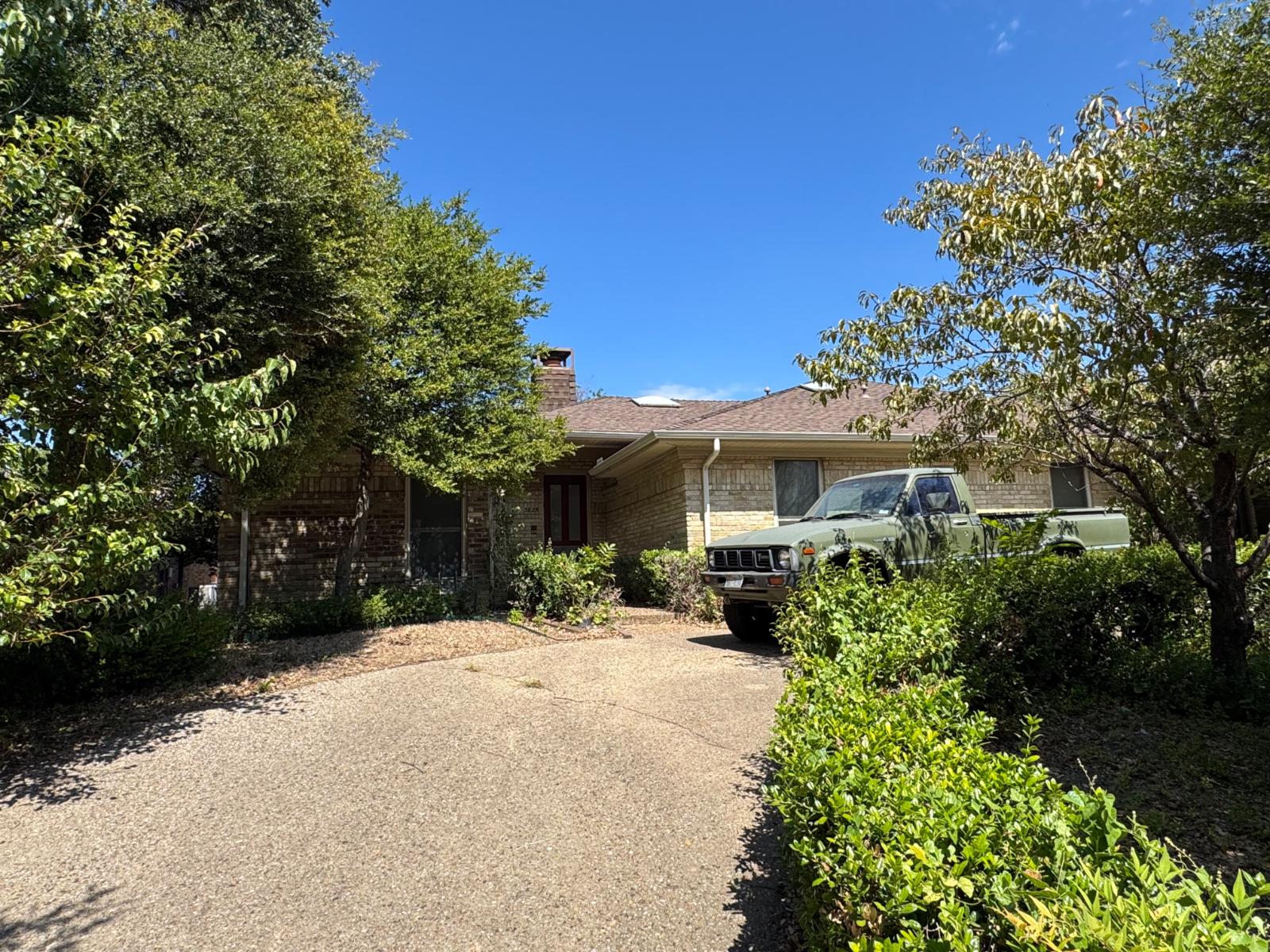
Fix & Flip SFH in Plano, TX
$410,000 · 3 bed · 2 bath
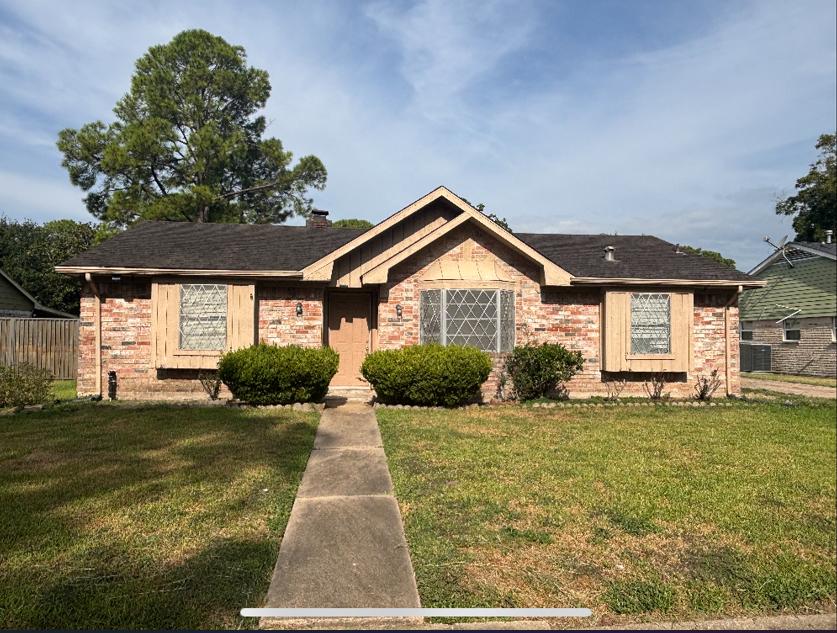
Fix & Flip SFH in Houston, TX
$185,000 · 3 bed · 2 bath
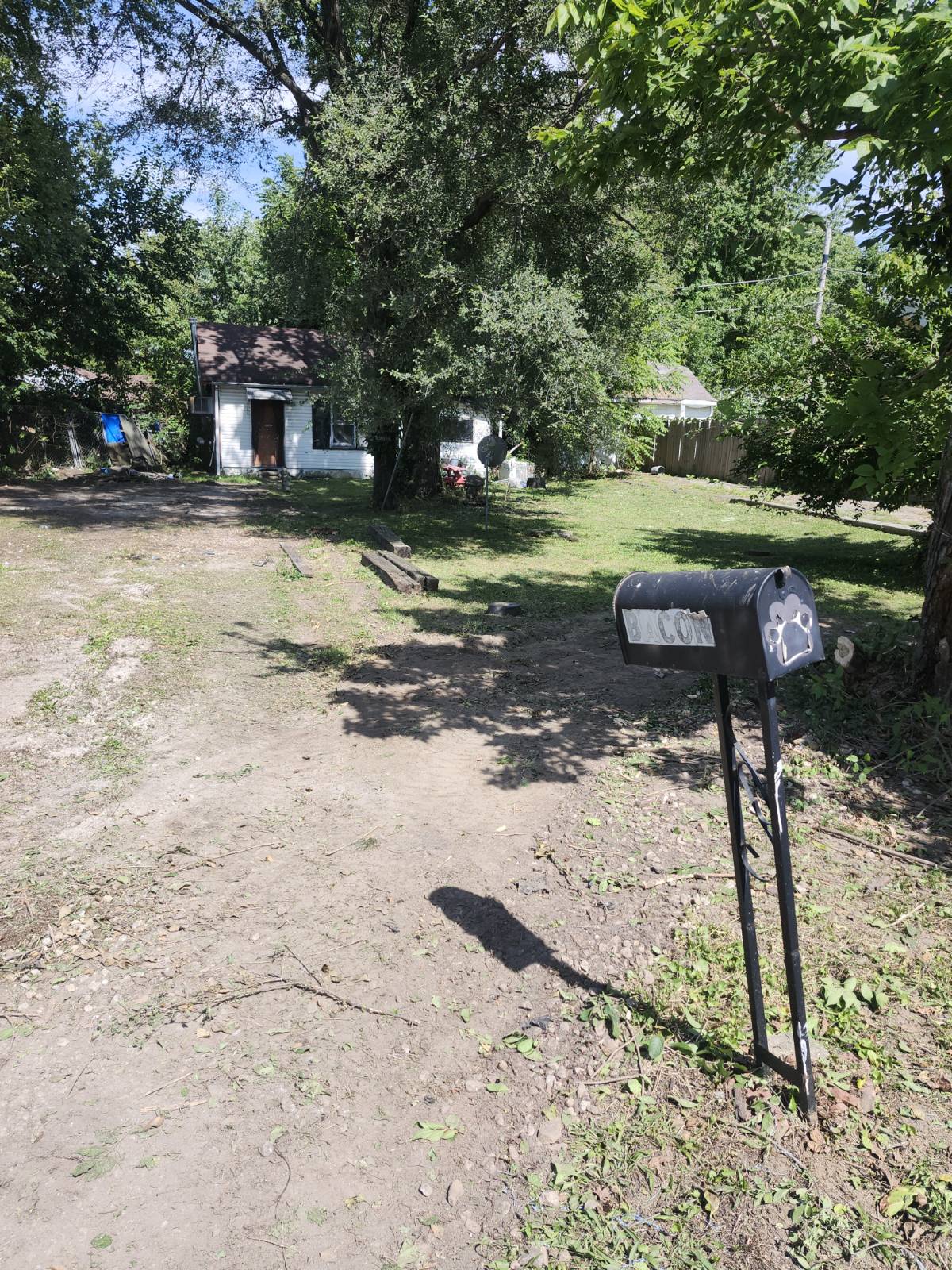
Fix & Flip SFH in indianapolis, IN
$53,000 · 2 bed · 1 bath
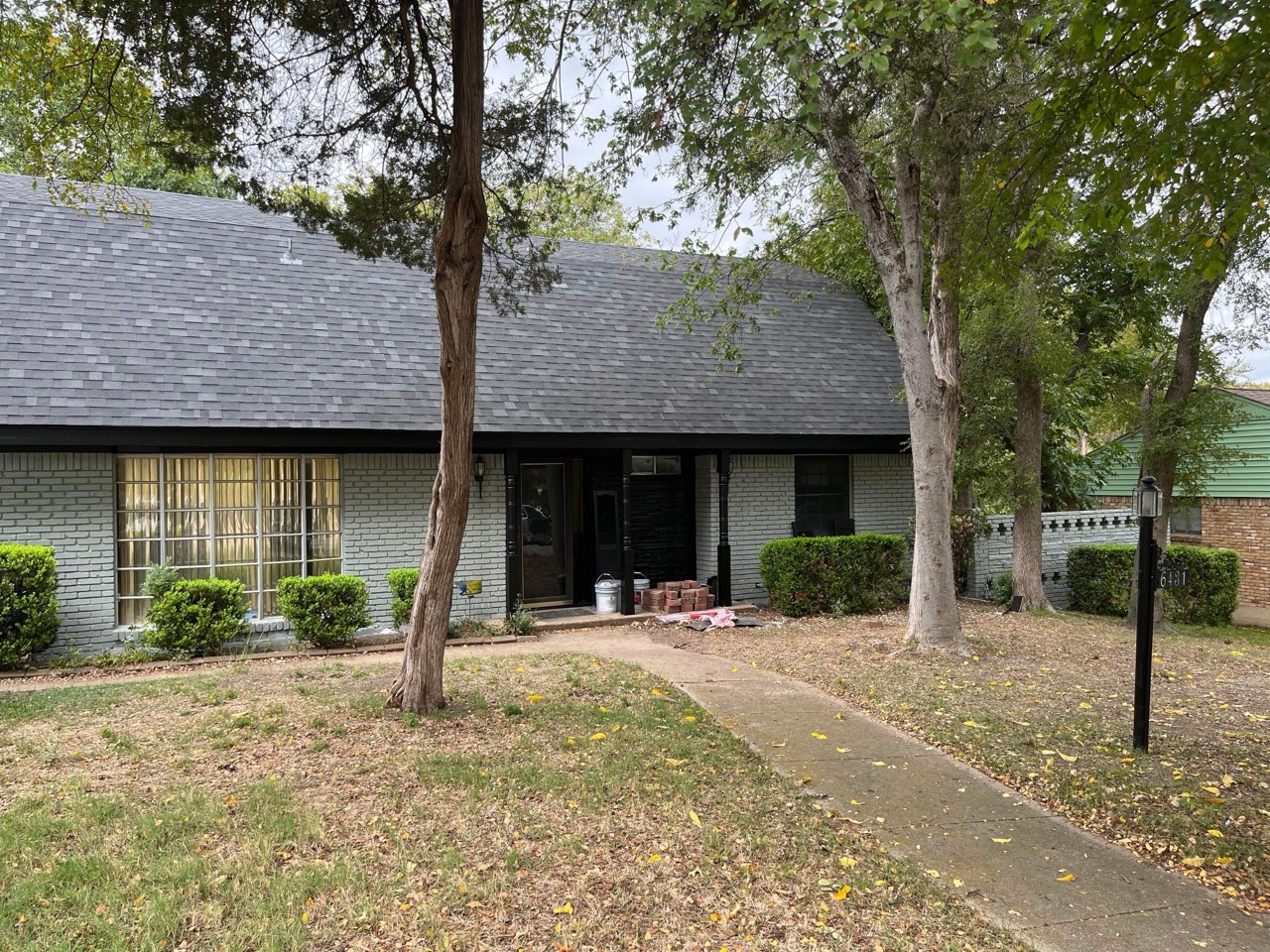
Fix & Flip SFH in dallas, TX
$215,000 · 4 bed · 3 bath
Inventory changes daily — browse the full marketplace free.
What to Check Before You Buy a Flip
Flips fail in predictable places. Before you offer on any deal — here or anywhere — work this list:
- Comp the ARV yourself. Renovated, closed sales near the subject, in a recent window, matching bed and bath count. Not active listings, not the one outlier sale on the nicest block. If your comps and the listing's ARV disagree by more than a rounding error, underwrite with yours.
- Scope the rehab against the big systems first. Roof, HVAC, electrical, plumbing, foundation. Cosmetic scopes are easy to price; a missed foundation or full rewire erases the margin by itself. Walk it or send someone local — photos hide exactly the things that cost the most.
- Price your money and your timeline. Most flip buyers close with hard money or private funds, and every month of interest, taxes, and utilities comes out of the same 30% cushion. A rehab that runs 60 days over doesn't just delay the payday — it shrinks it. Underwrite the timeline you'd bet on, then add slack.
- Check permits and title early. Unpermitted additions, open code violations, and liens all surface eventually; you want them surfacing during your inspection window, not at resale. Ask the wholesaler what they know, then verify.
- Confirm the exit market. A flip's buyer is a retail homebuyer, so the exit depends on what retail buyers are paying — and how long renovated houses sit — in that specific neighborhood. Days-on-market on your comps is as important as the sale prices.
- Confirm the deal structure and terms. Assignment or double closing, earnest money required, inspection access, and the closing deadline. Wholesale contracts move fast by design — know the clock you're on before you start it.
None of this is a reason to avoid flip deals; it's the homework that separates buyers who do this repeatedly from buyers who do it once. And to be plain about it: this page is education, not legal, tax, or investment advice — run your numbers and talk to professionals licensed in the property's state before you close.
How Fix & Flip Deals Work on Buy Box Cartel
The buyer side costs nothing. Create a free account, filter the marketplace by deal type, and submit offers directly on any listing — free, forever, no subscription gate. Buyers on the platform are checked against public deed records: 3,418 deed-verified cash buyers alongside 102,650 total members, with buyer credibility levels running 0–4 — Level 4 requires an actual closed deal. That verification is why wholesalers bring real flip inventory here instead of blasting it to an unvetted list. Buyers who want deeper deal tools can add Pro for $19.99/mo, but offers never require it.
If you're the wholesaler holding the contract, there are two ways to list it: a $0-upfront JV listing where our team sells the deal and a success fee is paid only at close, or VIP at $89/mo where you post it yourself and keep 100% of the assignment fee. The average assignment fee on the platform is $6,704.
Flip inventory clusters where acquisition prices leave room for the math — browse what's live in Detroit, Cleveland, and Memphis to see how deals in the classic flip markets are priced right now.