Section 8 Investment Properties for Sale
If you're looking for Section 8 investment properties for sale, this is one of the few places online with real inventory: Section 8 is the largest deal-type segment on BuyBox Cartel, making up roughly 53% of the ~167 live listings on the marketplace right now. Browsing is free forever, and you can make an offer on any listing without paying anything.
These are off-market wholesale deals from wholesalers across the country, priced to sell to cash buyers — and many come with a Section 8 tenant already in place, which is what most buyers searching for "section 8 homes for investors" actually want: a property that pays from the month you close.
What Makes a Section 8 Deal Different
If you've only ever bought flips or vacant rentals, Section 8 deals get underwritten differently. Three things set them apart:
Part of the rent comes from the housing authority. Under the Housing Choice Voucher program, the local public housing authority pays a portion of the rent directly to the landlord every month through a Housing Assistance Payment (HAP) contract; the tenant pays the remainder. The split depends on the tenant's income and the authority's payment standards, but the authority-paid portion arrives on a schedule — the main reason investors seek these properties out. The tenant's portion still works like any rental, so payment history matters.
Many deals come with the tenant in place. A large share of the Section 8 inventory on our marketplace is tenant-occupied: potential cash flow from day one, with no vacancy, make-ready, or lease-up. It also means you inherit the existing lease and tenant, so both become part of your due diligence — not an afterthought.
You're buying yield, not ARV. Flip buyers underwrite after-repair value and rehab budgets. Section 8 buyers underwrite purchase price against rent — gross yield. The property doesn't need to be remodel-grade; it needs to be priced right for its rent and in good enough shape to pass the housing authority's inspection. A modest house in a working-class neighborhood can pencil beautifully as a Section 8 hold even if it would never work as a flip.
How to Buy a Section 8 Property Here
The process is deliberately simple, and it costs buyers nothing:
- Browse free. Create a free account and filter the marketplace by deal type. Investors browse and make offers free, forever — no subscription, no gate. The listings below are live now.
- Make an offer. Every listing shows the wholesaler's asking price; submit your offer directly through the platform. Buyers here are checked against public deed records — 3,418 deed-verified cash buyers on the platform alongside 102,650 total members.
- Close. Once your offer is accepted, you work the deal to close with the wholesaler and the title company, the same as any assignment or wholesale purchase.
If you're on the other side of the table — a wholesaler holding a Section 8 deal — you can list it two ways: a $0-upfront JV listing where a success fee is only paid at close, or VIP at $89/mo where you keep 100% of your assignment fee. The average assignment fee on the platform is $6,704, so the math on either lane is straightforward.
Buyers who want deeper deal tools can add Pro for $19.99/mo, but it's optional — offers never require it.
Live Section 8 deals right now

Section 8 SFH in east cleveland, OH
$103,000 · 5 bed · 2 bath

Section 8 SFH in Detroit, MI
$55,000 · 3 bed · 1 bath
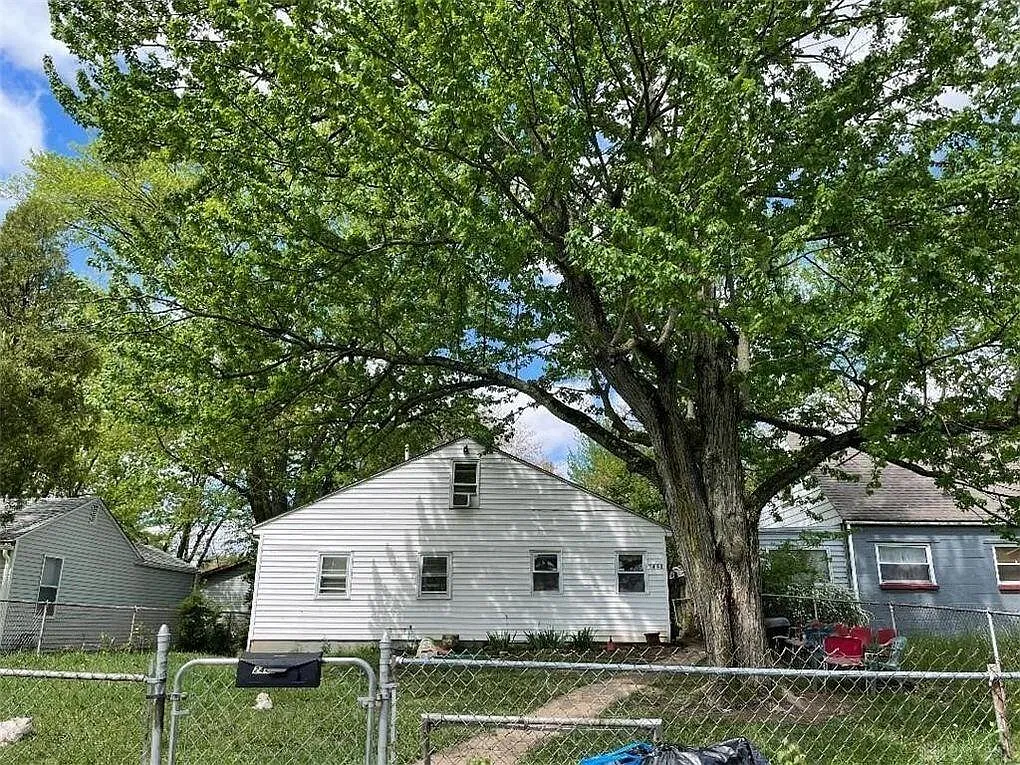
Section 8 SFH in Dayton, OH
$60,000 · 2 bed · 1 bath

Section 8 SFH in birmingham, AL
$50,000 · 2 bed · 1 bath

Section 8 Multi-Family in Cornersville, TN
$225,000 · 4 bed · 4 bath

Section 8 Multi-Family in Cleveland, OH
$90,000 · 4 bed · 2 bath
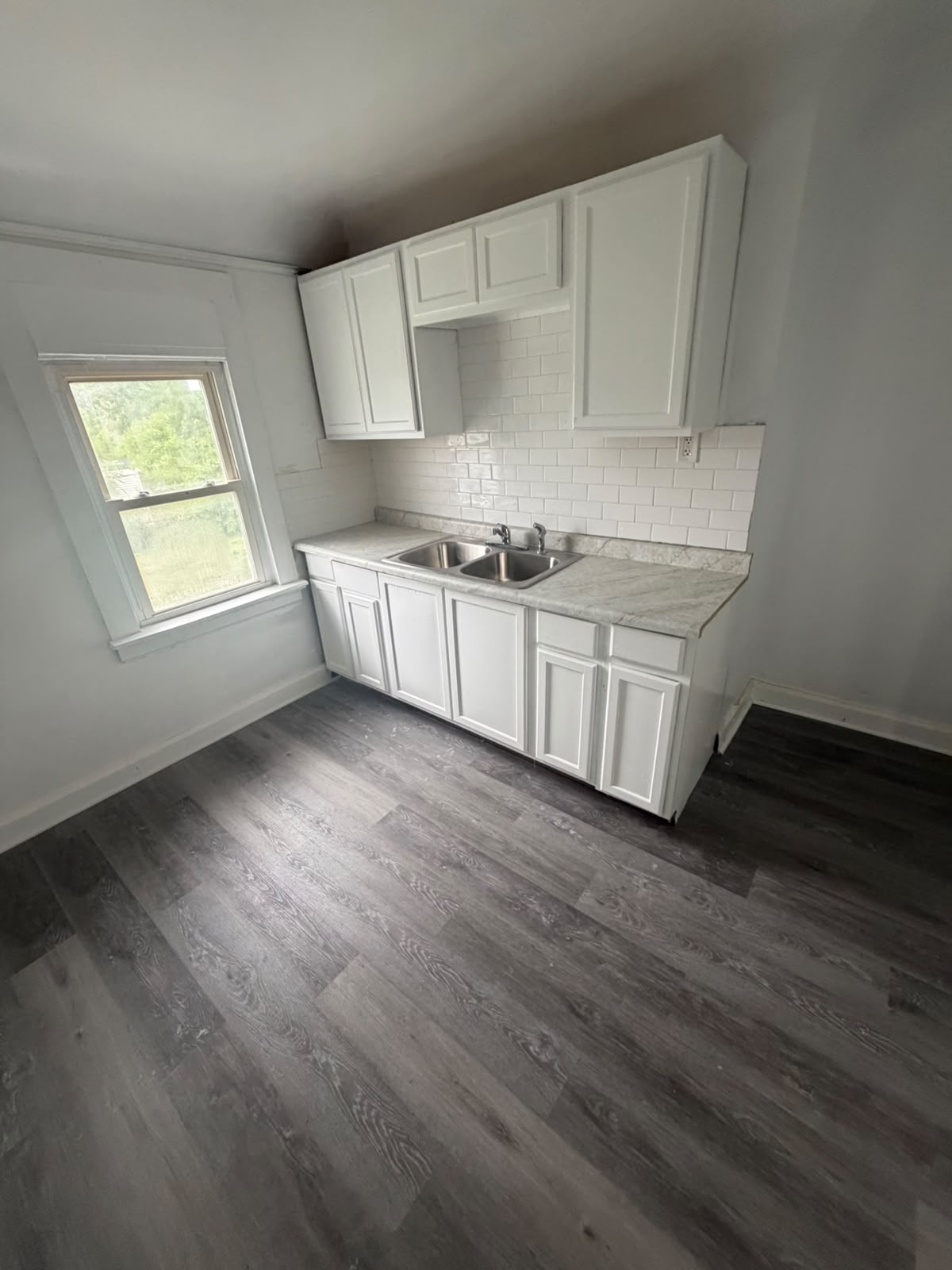
Section 8 Multi-Family in Detroit, MI
$108,000 · 4 bed · 1 bath

Section 8 Multi-Family in Detroit, MI
$103,000 · 4 bed · 2 bath

Section 8 Multi-Family in Pittsburgh, PA
$127,500 · 5 bed · 2 bath
Inventory changes daily — browse the full marketplace free.
What to Check Before You Offer
Section 8 deals reward buyers who do a specific kind of homework. Before you submit an offer, run through this list:
- Housing authority inspection status. Ask when the property last passed its housing authority inspection and whether any items are open or failed. Unresolved inspection issues can pause the housing assistance payments — know that before you own it, not after.
- The lease and HAP contract. Get a copy of the current lease. Confirm the term, the total contract rent, the tenant/authority split, and the renewal date. Ask the local housing authority how they handle a change of ownership — the HAP paperwork process varies by authority, and you want that timeline mapped before close.
- Contract rent vs. the local payment standard. Compare current rent to HUD Fair Market Rent and the local authority's payment standard for that bedroom count. Rent below the standard may leave room to request an increase at renewal; rent at or above it means underwriting what's in place today, not what you hope to get.
- Tenant payment history. The authority's portion arrives reliably; the tenant's portion is a normal collections question. Ask the seller for the tenant's payment record on their share.
- Condition relative to inspection standards. Walk the property (or have someone local do it) with the housing authority's standards in mind — functioning systems, safety items, habitability basics. You're underwriting "does this pass, and what does it cost to keep passing."
- Deal structure and terms. Confirm whether it's an assignment or a double closing, the earnest money required, and your access for walkthroughs before your inspection deadline.
This checklist is a starting point, not professional guidance. Nothing on this page is legal or tax advice — talk to a real estate attorney and a tax professional licensed in the property's state before you close.