Subject-To Deals for Sale
A subject-to deal is a purchase where the deed transfers to you but the seller's existing mortgage stays in place — you take over the payments without originating a new loan. This page is the live Subject-To segment of the Buy Box Cartel marketplace. Browsing is free forever, and making an offer costs nothing.
Here's the part most listings bury: in a subject-to deal, the financing is the asset as much as the house. When the existing note carries a rate and payment you couldn't replicate at a bank today, the loan itself is what you're paying for. That's why subject-to buyers read the mortgage statement before they read the property photos.
What "Subject-To" Actually Means
You buy the property "subject to" the existing mortgage. At closing, the deed records in your name — you own the house. The seller's loan does not get paid off and does not transfer into your name; it stays exactly where it is, in the seller's name, and you make the monthly payments on it. No bank underwriting, no new origination, no qualification process, because no new loan exists.
Sellers agree to this for practical reasons: they're behind on payments and a payoff sale won't happen fast enough, they're relocating and need out now, or the house has too little equity to sell conventionally after commissions and closing costs. For the right seller, a buyer who cures the arrears and takes over the payment solves a problem cash can't. It's one structure inside the broader creative finance toolbox, next to seller financing — the difference being that seller finance writes a new note and subject-to inherits an existing one.
The Mechanics, Step by Step
- Contract. The purchase agreement states the sale is subject to the existing mortgage or deed of trust, spells out who cures any arrears, and discloses — in writing, to the seller — that the loan stays in their name after closing.
- Loan diligence. You get the current mortgage statement and, with the seller's written authorization, verify everything with the servicer: principal balance, rate, full PITI payment, escrow status, and any amounts past due.
- Closing. A title company or closing attorney runs title, records the deed, and handles the money — including curing arrears at close if that's part of the deal. Subject-to closings use real closing tables, not handshakes.
- After close. You make the payments to the servicer, put your own insurance in place, and keep the seller's contact information current — they have a live loan riding on your performance, and the paperwork should reflect that.
The Due-On-Sale Clause, Straight
Calling the loan is the lender's option, not an automatic consequence — but it's a right you can't take away from them, so honest subject-to underwriting treats it as a possibility with a plan attached: could you refinance the property, sell it, or pay the note off from reserves if a payoff demand landed? Buyers who can answer that question do subject-to deals; buyers who can't, shouldn't. There's a seller-side risk to respect too: the loan stays on the seller's credit, so a payment you miss is a late they eat. The structure only works when the paperwork and the payments are treated seriously.
Live Subject-To deals right now

Subject-To SFH in Bethany, OK
$135,000 · 3 bed · 2 bath

Subject-To SFH in Jacksonville, FL
$172,000 · 5 bed · 2 bath
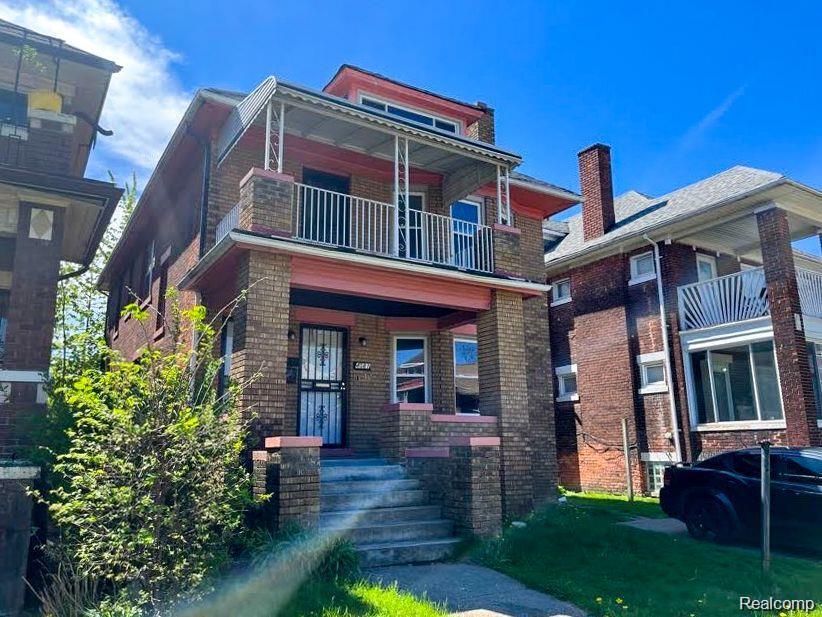
Subject-To Multi-Family in Detroit, MI
$114,250 · 4 bed · 2 bath

Subject-To SFH in Converse, TX
$224,643.71 · 3 bed · 2 bath
Inventory changes daily — browse the full marketplace free.
What to Check Before You Buy a Subject-To Deal
Subject-to diligence is loan diligence first, property diligence second. Before you submit an offer, work through this list:
- The note itself. Balance, rate, monthly PITI, escrow status, and maturity — verified against a current statement, not the listing copy. The spread between that payment and market rent (or your exit) is the whole deal.
- Arrears and reinstatement. If the seller is behind, get the exact reinstatement figure from the servicer and confirm who pays it and when. Arrears are part of your entry cost, same as the fee and closing costs.
- True entry cost vs. what you're getting. Add the wholesaler's fee, arrears, and closing costs, then weigh that entry against the equity position and the payment you're inheriting. A great rate on an overleveraged house is still an overleveraged house.
- Title. The first mortgage isn't the only thing that can be attached to the property. A full title search catches the second liens, judgments, and tax claims that don't disappear when the deed transfers.
- Insurance plan. The seller's homeowner policy doesn't cover you after closing. Know how the new policy will be written before close — it's the most common loose end in sloppy subject-to deals.
- Seller paperwork and cooperation. Written disclosure that the loan stays in their name, authorization to speak with the servicer, and current contact information going forward. A seller who understood the deal on day one is a seller who doesn't become a problem in year three.
- Your exit if the loan gets called. Refinance, resale, or reserves — have one before you own the risk, not after.
This checklist is a starting point, not professional guidance. Subject-to paperwork is state-specific and the details matter — nothing on this page is legal or tax advice, so close with a real estate attorney and a tax professional licensed in the property's state.
How Subject-To Deals Work on This Marketplace
Subject-To is one of the deal-type segments on the Buy Box Cartel marketplace, listed alongside Seller-Finance, Mortgage Takeover, and Hybrid inventory from wholesalers nationwide. Every listing shows the asking price, and offers go straight through the platform. Investors browse and offer free, forever — no subscription, no per-offer fee; Pro ($19.99/mo) adds optional buyer tools but is never required. Buyers on the platform are checked against public deed records — 3,418 deed-verified cash buyers among 102,650 total members.
Holding a subject-to contract yourself? Two lanes to sell it: a $0-upfront JV listing with a success fee paid only at close, or VIP at $89/mo where you keep 100% of your assignment fee. The average assignment fee on the platform is $6,704.
Prefer to start with a market instead of a structure? Subject-to listings appear alongside each city's full inventory — browse wholesale properties in Cleveland, Memphis, or San Antonio.