Off-Market Wholesale Properties in Texas
Texas is the biggest wholesale market in the country by the measures that matter: five of the nation's fifteen largest cities, relentless in-migration, no state income tax, and homebuilding that still hasn't caught up to household growth. That growth cuts both ways for investors. Appreciation pushed entry prices well past the Midwest cash-flow markets, and Texas property taxes are among the steepest anywhere — so deals here get won on the buy, not on the hold. A genuinely discounted off-market contract is worth more in Texas than in almost any market where retail prices are forgiving.
It's also why creative finance is the Texas signature. A huge share of Texas sellers are sitting on existing low-rate mortgages, and taking over those terms — subject-to, seller finance, a wrap — often beats any discount you could negotiate on price. Texas is one of the few states that wrote wholesaling directly into statute: since 2017, assigning a contract is explicitly permitted, provided you disclose you're selling an equitable interest in the contract rather than the house itself. The rules are clear, the deal culture is mature, and the wholesalers here tend to bring structure, not just a low number.
On Buy Box Cartel, Texas inventory concentrates where the buyers are — Houston, San Antonio, and Dallas–Fort Worth. The mix skews toward fix & flip candidates and creative-finance structures, with rental plays where the tax math still pencils. Investors browse and make offers free forever, every cash buyer is verified against public deed records, and wholesalers list at zero upfront cost — which is what keeps fresh Texas deal flow coming.
Live Texas deals on the marketplace

Seller-Finance SFH in Canyon Lake, TX
$995,000 · 4 bed · 4 bath
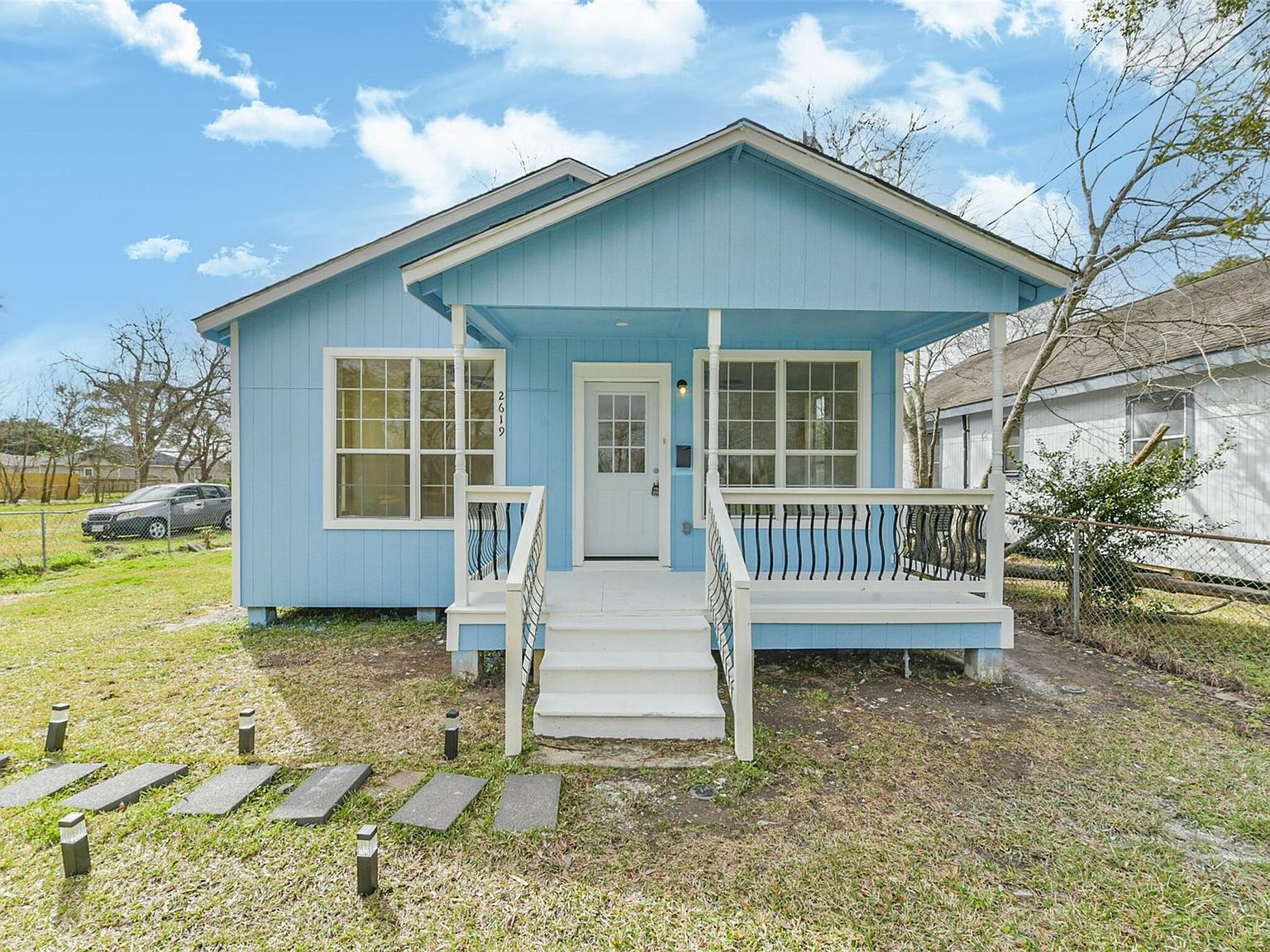
Seller-Finance SFH in la marque, TX
$182,000 · 2 bed · 2 bath
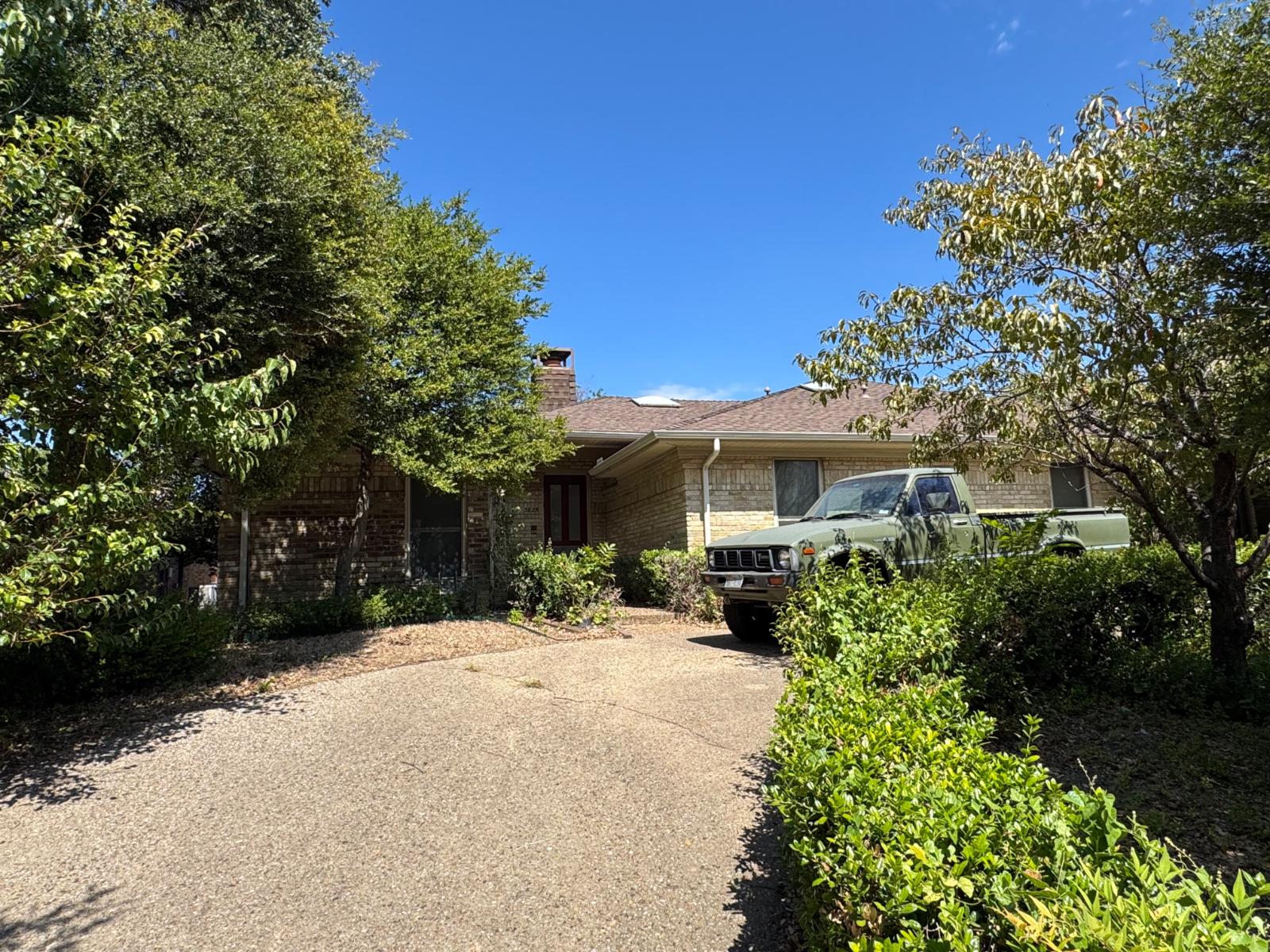
Fix & Flip SFH in Plano, TX
$410,000 · 3 bed · 2 bath
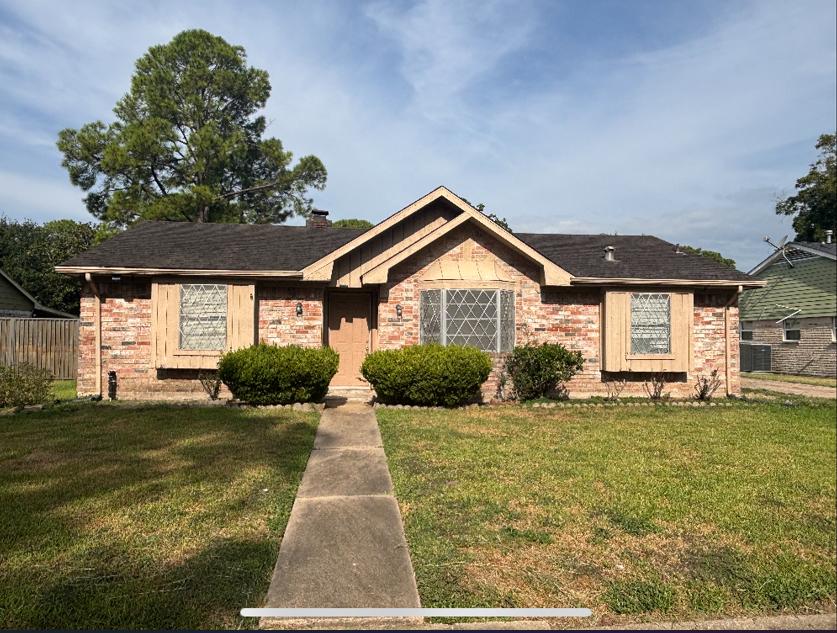
Fix & Flip SFH in Houston, TX
$185,000 · 3 bed · 2 bath
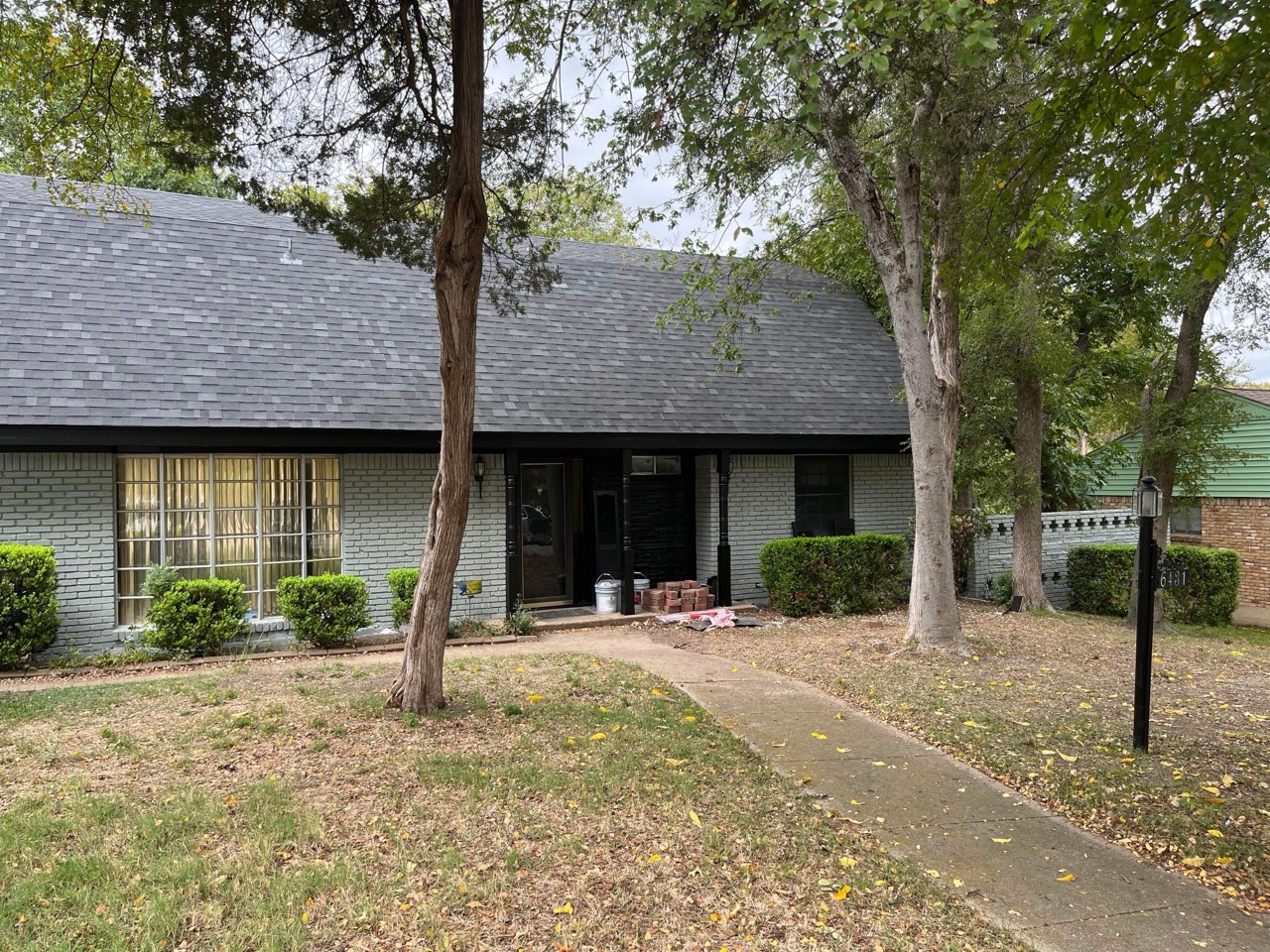
Fix & Flip SFH in dallas, TX
$215,000 · 4 bed · 3 bath

Fix & Flip SFH in Austin, TX
$200,000 · 3 bed · 2 bath
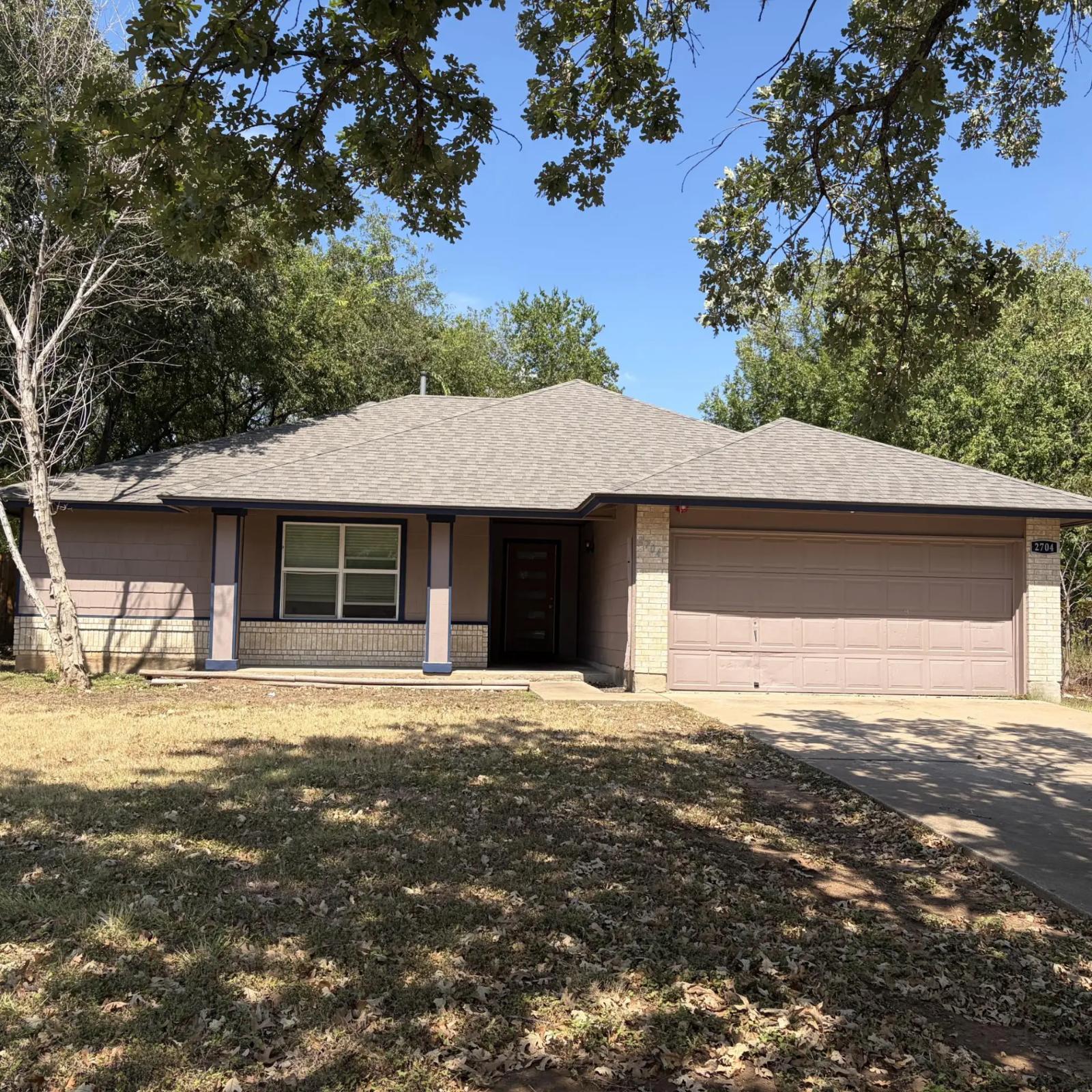
Fix & Flip SFH in Austin, TX
$355,000 · 4 bed · 2 bath

Fix & Flip Multi-Family in Fort Worth, TX
$340,000 · 6 bed · 5 bath

Section 8 SFH in Dallas, TX
$224,000 · 5 bed · 5 bath
Inventory changes daily — browse the full marketplace free.
Creative finance is the Texas signature
Subject-to and seller-finance deals are a bigger part of the Texas market than almost anywhere else, and the reason is arithmetic: sellers holding existing low-rate loans have something more valuable than equity to trade, and buyers would rather take over those terms than borrow at today's rates. Wraparound structures have a longer history in Texas investor circles than in most states. The practical effect is that the margin in a Texas deal often lives in the structure rather than a rock-bottom purchase price — when you underwrite a listing here, you're evaluating terms, not just ARV minus repairs.
Flip and landlord math in a high-tax state
No state income tax comes with a trade: Texas property taxes are among the highest in the country, and they hit rental yields hard. Landlords who last in Texas buy deep enough that the tax bill doesn't eat the spread, which makes off-market discounts more decisive here than in low-tax states. Flippers get an extra source of inventory from the ground itself — much of Houston and Dallas sits on expansive clay soil, and foundation issues scare off retail buyers while pricing in cleanly for investors who know what slab repair actually costs. Working-class 3/1 and 3/2 stock in Houston and San Antonio still trades at price points where both flip spreads and rent ratios can work.
What Texas buyers look for
Texas cash buyers run tight buy boxes and expect real numbers up front: repair estimates, the tax bill, and — on creative deals — the exact terms being taken over. On Buy Box Cartel, the buyers on the other side of a Texas listing are verified, not rented: 3,418 cash buyers whose purchases are traceable in public deed records, with credibility levels running 0–4 where Level 4 requires an actual closed deal. That's why offer conversations here move fast — both sides are working from verifiable facts, whether the deal is a straight assignment or a subject-to takeover.
How the marketplace covers Texas
Texas inventory on Buy Box Cartel centers on Houston, San Antonio, and Dallas–Fort Worth, with a dedicated San Antonio page for the investors working that metro. Investors browse and make offers free forever — no subscription, ever. Wholesalers can list at zero upfront cost through the JV lane, where the platform is paid only when a deal closes; the average assignment fee on platform-closed deals is $6,704. Inventory turns over constantly, so a Texas deal that fits your buy box is worth moving on quickly.
Texas markets with dedicated pages
Frequently asked questions
Is wholesaling legal in Texas?+
Yes — and Texas is unusually explicit about it. Since 2017, Texas statute has permitted selling an option or assigning an interest in a purchase contract without a real estate license, as long as you disclose to the buyer that you're selling an equitable interest in the contract, not the property itself. Skip the disclosure and you drift toward unlicensed brokerage. This is a general summary, not legal advice — have a Texas real estate attorney review your contracts and marketing.
Do I need a real estate license to buy wholesale properties in Texas?+
No. Buying requires no license, and wholesale deals are assigned directly from the wholesaler to you with no listing agent involved. On creative-finance structures like subject-to or a wrap, have an attorney or an experienced title company review the documents before closing — Texas has specific rules around executory contracts and owner-finance paperwork. This is not legal or tax advice; get professional guidance for your specific transaction.
What types of wholesale deals are common in Texas?+
More creative finance than almost any other state. Subject-to and seller-finance deals are a fixture because so many Texas sellers hold existing low-rate mortgages, and wraparound structures have deep roots in the Texas investor community. Straight fix & flip assignments round out the mix — often on houses with foundation or deferred-maintenance issues that retail buyers won't touch — along with rental plays in the more affordable pockets of Houston and San Antonio.
How do I buy a wholesale property in Texas on Buy Box Cartel?+
Sign up free — investors browse and make offers free forever, with no subscription. Filter to Texas or a specific metro, review each listing's numbers and structure (some are straight assignments, some are subject-to or seller-finance deals), and submit your offer through the platform. Every cash buyer is verified against public deed records — 3,418 deed-verified buyers platform-wide — and the average assignment fee on platform-closed deals is $6,704. Accepted offers move to paperwork and a title-company closing.
Browse other states
Two ways to sell your next deal
$0 upfront
Submit your deal and our team sells it for you — success fee only, charged when it closes.
$89/mo · keep 100%
Go VIP: post your own deals to 102,650 members, field offers directly, keep every dollar of your fee.
Investors: browsing the marketplace and making offers is free, forever. Join the buyers list